

How to Correctly Use a Central Venous Catheter for Dialysis
In the medical field, a central venous catheter is an extremely versatile specialized catheter, particularly suitable for patients requiring surgery, emergency care, rapid fluid infusion in critical care units, or hemodialysis. So, how exactly should a central venous catheter be used correctly for dialysis?
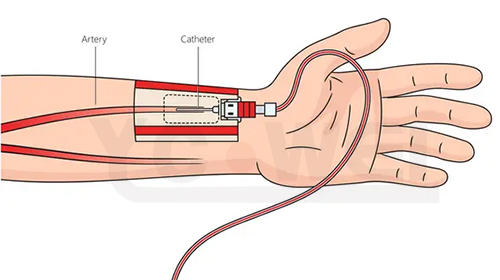
1. Pre-Use Assessment
Central venous catheters are commonly categorized into temporary and long-term types. Regardless of the type, before use, the skin at the insertion site must be evaluated to ensure there is no redness, swelling, discharge, tenderness, or bleeding. Additionally, check the external connector of the catheter for any cracks or kinks.
2. Pre-Dialysis Connection
Before using the central venous catheter for dialysis, remove the outer dressing of the catheter and follow the correct sequence for connecting the dialysis circuit. During the connection process, strictly adhere to each step, ensuring proper disinfection and confirming patency before connecting to the extracorporeal arterial and venous lines.
3. Post-Dialysis Catheter Sealing
After completing the dialysis treatment and returning the blood, clamp the central venous catheter, disinfect the arterial and venous connectors, and disconnect them from the dialysis circuit. Then, flush the catheter with an appropriate amount of saline to ensure no residual blood remains in the exposed portion. Finally, inject an anticoagulant sealing solution as per medical instructions to seal the catheter.
In summary, the correct use of a central venous catheter for dialysis involves conducting an objective pre-use assessment, properly connecting the circuit before dialysis, and sealing the catheter after dialysis. Additionally, when changing the dressing for the catheter, ensure there is no bleeding or leakage at the insertion site, the skin is intact, and the sutures are secure.

 Teams
Teams