

Precautions for Safe Central Venous Catheter Removal
In clinical and surgical settings, central venous catheters are used to assist in treatment, bringing significant convenience to clinical medicine since their introduction. They play an indispensable role in the treatment of various conditions. However, when removing a central venous catheter, users should pay attention to the following key points.
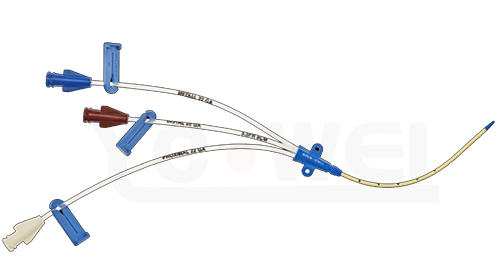
1. Pre-Removal Care
Before removing a central venous catheter, appropriate care must be provided to ensure readiness for the procedure. This care primarily involves positioning the patient in a supine or head-down supine position for optimal removal. Additionally, reliable central venous catheter manufacturers emphasize that during removal, patients should be instructed to hold their breath. Removal should be avoided if the patient is dehydrated, and the procedure must include simultaneous disinfection, with the disinfected area larger than the dressing size.
2. Post-Removal Care
After removing the central venous catheter, the puncture site should be pressed with a finger or sterile gauze. During this process, the pressure should be appropriate—neither excessive nor involving rubbing against the artery—and the duration of pressure must be controlled. Reputable central venous catheter manufacturers suggest that after removal, the puncture site should be sealed for 24 hours, and the dressing should indicate the removal time. Furthermore, after removing a high-quality central venous catheter, the patient should remain in a supine position for about 30 minutes and avoid immediate movement to prevent leakage or bleeding at the puncture site due to pressure.
In summary, removing a central venous catheter requires meticulous care before and after the procedure. Following proper care protocols ensures better patient outcomes, minimizes complications, and promotes faster recovery.

 Teams
Teams